Drones Take Centre Stage in India's Defence Shopping List Amid China Concerns
Indian Military Drones: India has approved defence procurement proposals worth Rs 2.12 lakh crore, including long-range kamikaze drones, surveillance UAVs, counter-drone systems and advanced military equipment, amid continued focus on China border surveillance.
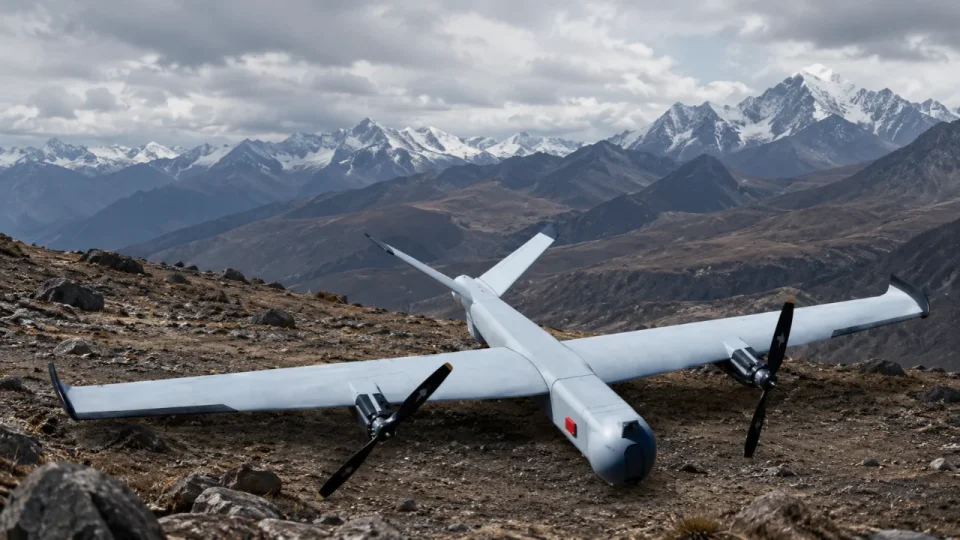
Indian Military Drones: India has approved the development and procurement of capital equipment to enhance surveillance, mobility and logistics in high-altitude terrain, as well as its combat capabilities on land, at sea and in the air. The Defence Ministry has cleared proposals for a diverse range of military hardware at an estimated cost of around Rs 2.12 lakh crore. The approved equipment includes high-mobility vehicles and self-propelled tracked guns for the Indian Army, an Active Offboard Decoy System (AODS) for air defence, major naval platforms and a Mobile X-Band Doppler Weather Radar System for the Indian Air Force.
The Defence Acquisition Council (DAC) meeting held today has accorded Acceptance of Necessity (AoN) to various capital acquisition proposals of the Defence Forces at an estimated cost of about Rs 2,12,000 crore. For the Indian Army, approval was accorded for the procurement of High Mobility Vehicles (HMV), Self-Propelled Tracked Gun System, Gun Shot Response System (GSRS), Light Multi Role Helicopters (LMRH), Very Short-Range Air Defence System (VSHORADS), Platform Based Counter Unmanned Aerial System (C-UAS), Unmanned Aerial System Brick Long Range, Surveillance UAV, Integrated Surveillance and Strike System and Long Range Kamikaze Drone System. Out of the total AoNs accorded, approximately 82% of the procurements will be made from the Indian Industry. The approvals given today will help in further strengthening the capability and preparedness of our defence forces. https://t.co/KmlW6xQPCq
— Rajnath Singh (@rajnathsingh) October 26, 2026
Drones Take Centre Stage In India's Border Surveillance
For the Indian Army, drones have taken centre stage in surveillance and strike operations, helping the armed forces monitor developments along the borders and respond to potential threats. Last week, a senior Indo-Tibetan Border Police (ITBP) official revealed that India has been investing heavily in drone systems to strengthen surveillance of Chinese activities along the Line of Actual Control (LAC) in Arunachal Pradesh.
Addressing troops ahead of the force's Raising Day, ITBP Director General Shatrujeet Singh Kapoor said there were several ongoing face-offs with Chinese People's Liberation Army (PLA) troops at multiple locations in Arunachal Pradesh. Kapoor said the ITBP had increased the number of drone platoons across its border units. The force has also introduced a new 'Strike' course to prepare personnel to respond more effectively to combat situations similar to the 2020 Galwan Valley clash. He said traditional methods of countering Chinese incursions, which he described as frequent, were no longer sufficient. The force has therefore revised its strategies, formed specialised combat teams such as the Shaurya commandos and begun constructing bunkers near the border.
Also Read: Jal, Thal, Vayu: What Weapons and Military Systems Are in India’s Rs 2.12 Lakh Crore Push?
Ukraine War Highlights The Role Of Kamikaze Drones
The ITBP chief cited Ukraine's use of drones to underline their importance in modern warfare. He said drones could help a smaller country sustain its resistance against a much larger military power, as demonstrated by Ukraine's war with Russia. Drones are used not only for reconnaissance but also for strikes, including missions in which they destroy themselves upon reaching their targets. Kapoor noted that Russia had expected to conclude its war against Ukraine within weeks, but the conflict has continued for more than four years.
Drones That India Has
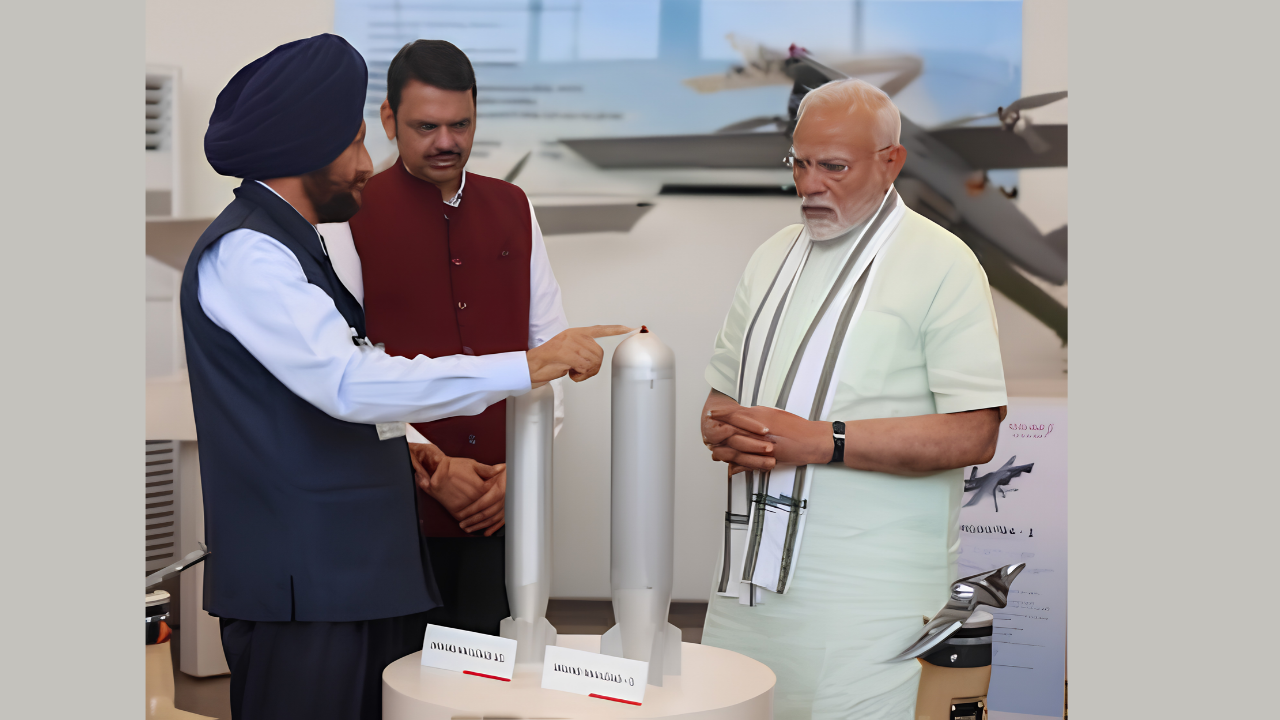
At present, India's armed forces use a range of short- and medium-range loitering munitions, including the indigenous Nagastra-1, with a reported range of around 15-30 km, the Nagastra-2 and the ALS-50, with a range of approximately 50 km. The armed forces also use heavier imported systems, including Israel's IAI Harop, for longer-range strikes.
The proposed Long Range Kamikaze Drone System could expand India's ability to conduct strikes deep inside hostile territory. Such systems are designed to locate and attack high-value targets, including command centres, radar networks and logistics hubs, potentially across difficult high-altitude terrain. They can carry out these missions without exposing human pilots or expensive crewed aircraft to the same level of risk.
A loitering munition, also called a suicide or kamikaze drone, is an aerial weapon with a built-in warhead. It can hover over a target area until it identifies a target, then strike by crashing into it. These drones can quickly engage targets that appear briefly or are hidden from view, without putting expensive aircraft or other high-value military assets at risk. They also offer greater flexibility, as operators can adjust or abort an attack while the drone is in flight.
Features/Roles/Variants of the product
-
Nagastra
-
Nagastra 1R
-
Nagastra FPV
-
Nagastra 1B
-
Man Portable LMS
-
Nagastra 2
-
Nagastra 2B
-
Nagastra 3
Long-Range Kamikaze Drones: What Does The Approval Mean?
The Acceptance of Necessity (AoN) granted under Defence Minister Rajnath Singh's approval clears the way for the procurement process to begin for advanced defence equipment. The proposals include Long Range Kamikaze Drone Systems, surveillance unmanned aerial vehicles (UAVs), unmanned aerial systems and counter-drone technology. However, the AoN approval does not mean that the equipment will be purchased or inducted immediately. It provides the official go-ahead for the next stages of the procurement process, which may include tendering, technical evaluation and trials before contracts are awarded. Manufacturing and delivery will follow at a later stage.
Push To Strengthen India's Defence Industry
The Defence Ministry said the approved equipment would be manufactured indigenously. According to the government, around 82% of the procurement is expected to be sourced from Indian industry, supporting domestic defence manufacturing and reducing reliance on imports.