Netanyahu’s October 7 Reckoning: Can Eisenkot End His Long Rule?
As Israel votes, former military chief Gadi Eisenkot challenges Benjamin Netanyahu in a crucial election defined by security, personal grief, and the legacy of October 7.
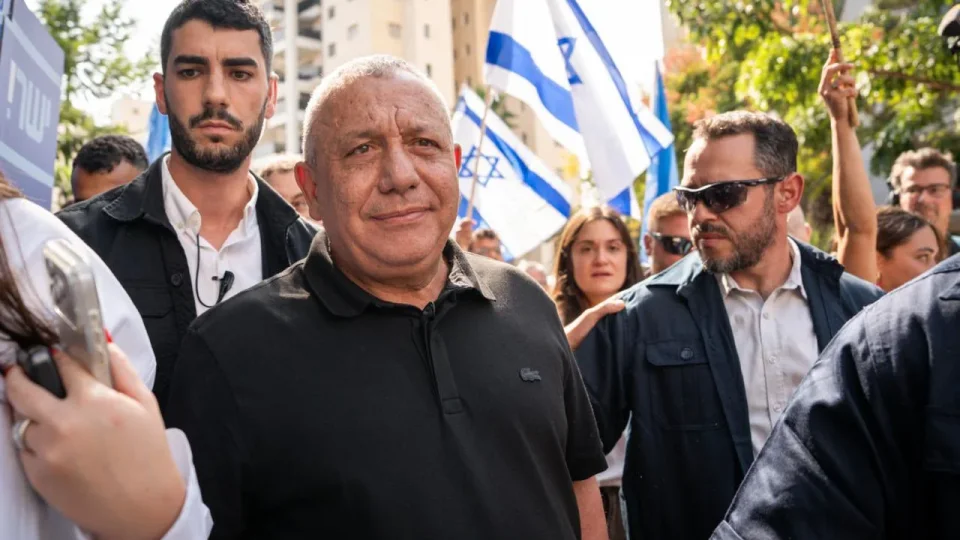
Israel Election 2026 Eisenkot vs Netanyahu: Gadi Eisenkot, the former Israeli military chief leading the Yashar party, is posing a serious challenge to Prime Minister Benjamin Netanyahu’s hold on power in years as Israelis vote in today’s election, on 27 October 2026. Most pre-election polls show Eisenkot leading Netanyahu by 8 to 10 points, while AP reports that more than 7 million Israelis are eligible to vote in a race widely seen as a referendum on Netanyahu’s leadership after three years of war.
Eisenkot, a political novice, is running on a centre-right platform against Israel’s longest-serving prime minister. The election is taking place amid unresolved wars, the continuing impact of Hamas’ 07 October 2023 attack, and deep divisions over Israel’s future direction; because no single party has ever won an outright parliamentary majority, thus, coalition negotiations may follow the voting process. However, an Eisenkot victory could upend Israeli politics and reset the country’s strained relationships abroad.
A contrast between Netanyahu and Eisenkot
The two contenders present sharply different profiles. Netanyahu served in the elite Sayeret Matkal unit of the Israel Defence Forces before entering business and politics, while Eisenkot joined the Golani infantry brigade, rose through its ranks as a combat commander, and eventually became IDF Chief of Staff, according to Axios.
Eisenkot, the son of Moroccan Jewish immigrants who grew up in Eilat, would become Israel’s first prime minister of Moroccan descent if elected. At his final campaign rally before about 1,000 supporters on Sunday, he reportedly appeared visibly uncomfortable in the spotlight, arriving to the Golani brigade’s 1974 song.
Netanyahu is far more established and experienced in American political circles, with a vast network of donors, lobbyists and supporters built over half a century. Eisenkot, by contrast, is largely unknown in Washington; however, he studied at the U.S. Army War College in the 1990s, later spent a year as a fellow at the Washington Institute for Near East Policy and developed a military relationship with former Joint Chiefs Chairman Gen. Joseph Dunford, Axios reported.
Trust and October 7
Eisenkot is widely viewed as a “straight shooter,” even by some opponents, while Netanyahu’s public credibility has been damaged by a series of: his corruption trial, political tactics, especially refusal to accept responsibility for the failures preceding October 7, and accusations of duplicity in handling the Iran war, said the media report.
The October 7 attacks prompted Eisenkot to challenge Netanyahu. He joined Netanyahu’s emergency cabinet shortly after the attacks, but later lost his son in the war, followed by two nephews. Eisenkot visited communities attacked on October 7 early Tuesday, saying that anyone in government with “a shred of responsibility” would have begun the day in the Gaza envelope.
יוצא כעת מטקס המשפחות לציון אסון ה- 7/10, גבורת האזרחים והסולידריות הישראלית המפוארת שהצילה נפשות. העובדה שערוץ המשטר התעלם באופן מביש מטקס משפחות ה-7/10 והמשיך כרגיל ברוח מפלגת השלטון הבורחת מאחריות בהפצת שטנה, בניסיון אומלל נוסף לשכתב את ההיסטוריה תוך פגיעה בכאבה של אומה שלמה - מבישה ואסור שיהיה לה מקום בחברה הישראלית. הממשלה שאקים תתקן את תרבות השקר שנתניהו פועל להשריש בניגוד מוחלט לאופי של העם הזה. הממשלה הבאה תכבד את הנופלים וגבורת הישראלים והישראליות שנעמדו בחזית מול הרוע, תקים ועדת חקירה ממלכתית, תפעל למען כל עם ישראל ותוודא שטקס הזיכרון לחמור באסונות ישראל, יהיה אירוע ממלכתי שימומן על ידי הממשלה. נוודא שתהיה לישראל מנהיגות אמיתית, אמיצה ואחראית שלא תאפשר לשכוח את ה-7/10!
— Gadi Eisenkot - גדי איזנקוט (@gadi_eisenkot) October 7, 2026
Click the link to find this X post by Gadi Eisenkot: https://x.com/gadi_eisenkot/status/2107932701680394528
<blockquote class="twitter-tweet"><p lang="iw" dir="ltr">מי שמשקר, וכל שהוא יודע לעשות זה רק לדחות החלטות ולברוח מאחריות - לא ראוי למחירים ששילמנו. לא יוכל לתקן אחרי האסון. לא ראוי להנהיג את ישראל. 3 שנים לטבח 7 באוקטובר - 3 שנות ניסיון אומלל לברוח מאחריות. להשכיח את האסון. לחמוק מהאמת, מהאזהרות שהונחו, מההתרעות שהושמעו, מהפעמונים שצלצלו. לא ניתן לראש ממשלת שבעה באוקטובר לשכתב את ההיסטוריה, גם אם יגיש עוד אלף תצהירי שקר. תרבות השקר שבה פועלים נתניהו ושרי מחדלו, לזיוף האמת והפצת כזבים שיפרקו את החברה הישראלית עוד קצת - היא ניסיון בוטה לשכתב את ההיסטוריה על גבם של הנופלים, הפצועים ומשפחותיהם ועל חשבון עתיד ישראל. היועצת המשפטית לממשלה חייבת להיכנס לעובי הקורה ולהורות על פתיחה בחקירה פלילית מיידית ומקיפה. מי שסילף מסמכים ושיבש עדויות חייב לתת על כך את הדין. ועדת חקירה ממלכתית תהיה ההחלטה הראשונה בממשלה שאקים. חקר האמת הוא אינו פריבלגיה - הוא התנאי להשבת האמון ולמניעת האסון הבא.</p>— Gadi Eisenkot - גדי איזנקוט (@gadi_eisenkot) <a href="https://x.com/gadi_eisenkot/status/2107860255581339787?ref_src=twsrc%5Etfw">October 7, 2026</a></blockquote> <script async src="https://platform.x.com/widgets.js" charset="utf-8"></script>
Click the link to find this X post Gadi Eisenkot: https://x.com/gadi_eisenkot/status/2107860255581339787
What is at stake?
Eisenkot has avoided sweeping foreign-policy declarations, but Axios reported that he opposes a Palestinian state under current conditions, has pledged action against Jewish terrorism against Palestinians in the West Bank, and has committed to ending Hamas’ control of Gaza within 18 months through diplomacy or military force. He supported the war against Iran and strikes on its nuclear facilities, but opposed Netanyahu’s effort to use military power to force regime change, calling it unrealistic.
״איך אני יודע שאביס את חמאס? כבר עשיתי את זה ביו״ש״. אתם מתלבטים? אנחנו עונים! מכירים חבר שמתלבט? כנסו ללינק ונחזור אליכם. https://t.co/huzUNNEfI3 עוד שבוע בוחרים ׳דרך׳ בקלפי🇮🇱 https://t.co/yHcOk8K8Bm
— Gadi Eisenkot - גדי איזנקוט (@gadi_eisenkot) October 20, 2026
Click the link to find this X post by Gadi Eisenkot: https://x.com/gadi_eisenkot/status/2112624236632146281
The parties may be likely to back Eisenkot, as he has pledged to improve Israel’s international standing, conscript ultra-Orthodox men and strengthen judicial independence. His supporters view him as a capable leader with strong security credentials who could act as a bulwark against creeping illiberalism.
The central angle of this election is not simply a contest between two leaders, but a personal reckoning with October 7. Eisenkot’s candidacy is likely shaped by grief, the loss of his son and two nephews in the war, and his argument that responsibility must begin with those in government.
Netanyahu, meanwhile, presents himself as the steady hand who has guided Israel through multiple wars, while his critics accuse him of prolonging the Gaza war and hostage crisis for political reasons.
That makes today’s Election about more than who wins: it is a test of whether Israelis choose continuity under Netanyahu or a leader whose authority rests on military experience, personal loss, and a promise of accountability.