A Missile, Hundreds of Bomblets: North Korea Tests New Cluster Warhead
North Korea Cluster Warhead Test Row: North Korea's Missile Administration conducted a test on October 31, 2026, reportedly evaluating a new "Standard Type-2" cluster-bomb warhead fitted onto a tactical ballistic missile.
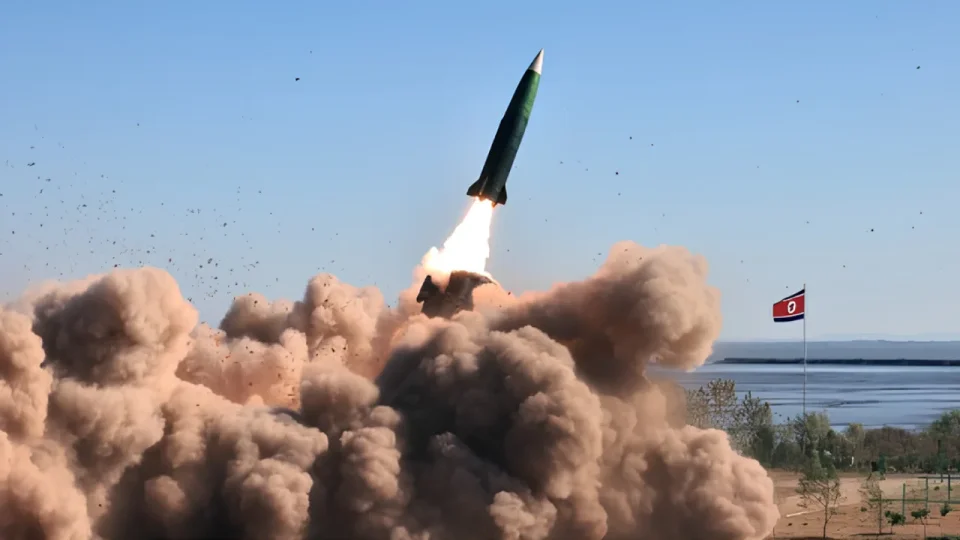
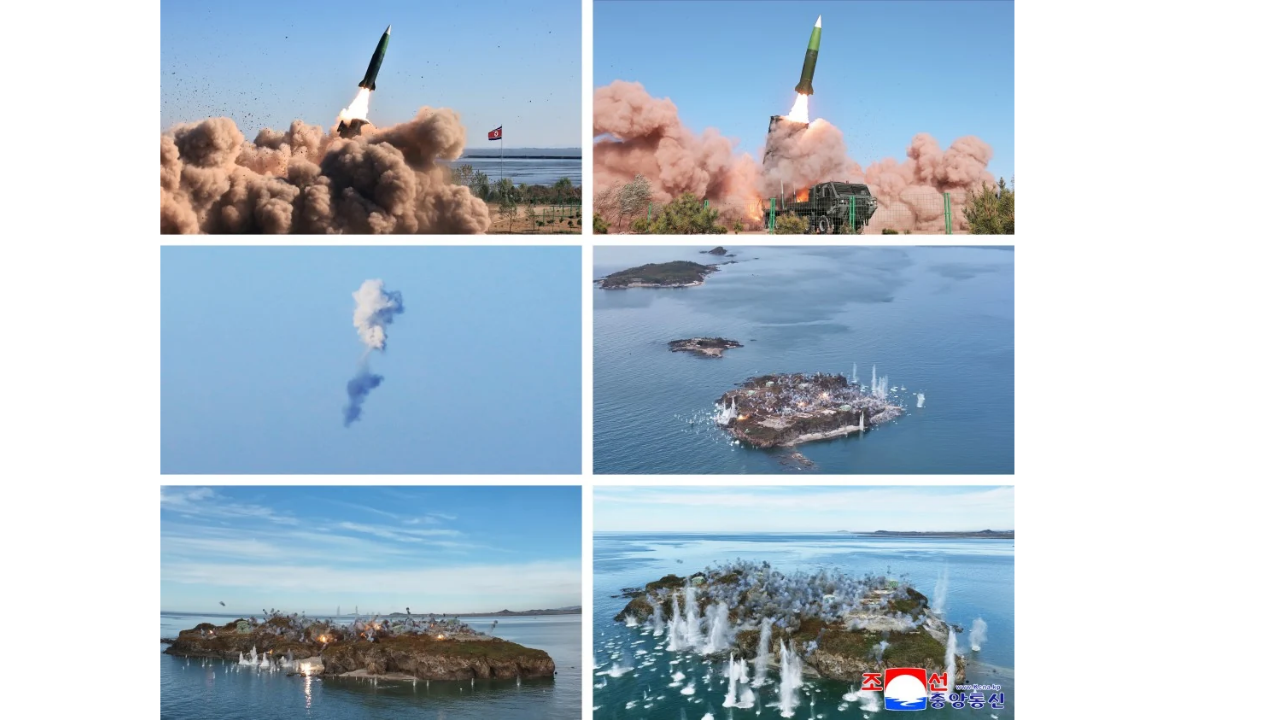
North Korea Cluster Warhead Test: The Democratic People's Republic of Korea (DPRK) on Saturday tested a major weapon system reportedly a cluster-bomb warhead, designed to allow a tactical missile to neutralise broad area targets - such as airfields, troop encampments, supply depots, or armored formations at a time. The test was conducted to evaluate whether the warhead design works reliably in real-world military conditions rather than just in a theoretical laboratory setup. It particularly tested the blast area, submunition spread density, and destructive capability of the payload.
South Korea, US Track The Missile
What is Cluster Bomb Warhead?
A cluster bomb warhead (or cluster warhead) is a specialised missile nose-cone payload designed to open in mid-flight and disperse dozens or hundreds of smaller explosives - called submunitions or bomblets - over a broad area on the ground. Rather than using a single heavy explosive charge to hit a precise point, a cluster warhead converts a ballistic or cruise missile into a wide-area saturation weapon.