Halloween: How a Festival Celebrating Life and Death Became a Global Trend
From ancient Samhain to a global trend, see how Halloween transformed from a festival celebrating life and death into a modern celebration of costumes and candy.
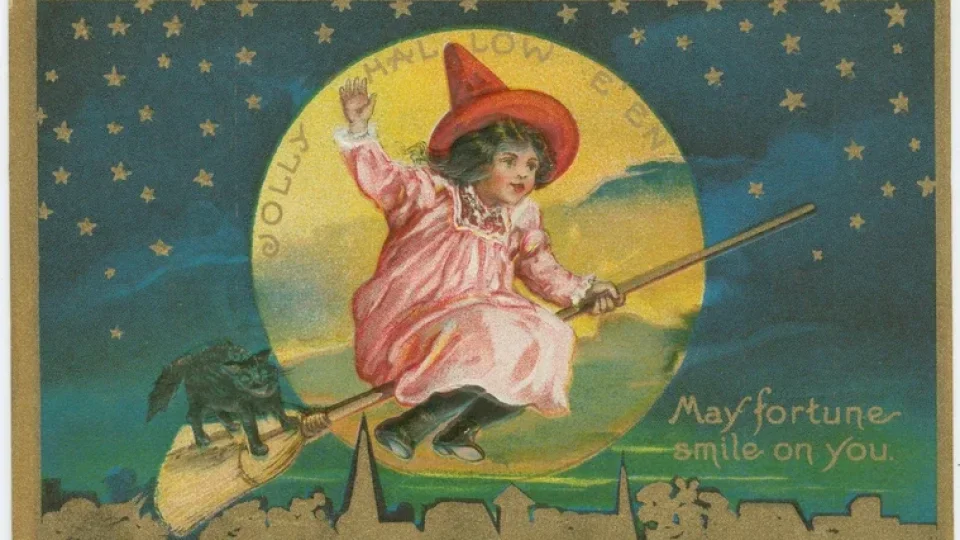
Halloween is now celebrated in many parts of the world on the night of October 31, usually with children in frightening and fancy costumes going from house to house asking for “trick-or-treat”, while households hand out chocolates and sweets. But this was not how people originally celebrated the festival.
In fact, many of the things we associate with Halloween today, such as the revealing costumes that are now prevalent, were not part of the original festival. The reason Halloween began was rather simple and seasonal.
Samhain: Harvest Season, Oncoming Winter, and the Dead Revisiting
Until about 2,000 years ago, Celts lived across what are now Britain, Ireland, and northern France. Historic UK describes them as farming people whose year was shaped by the growing seasons; ‘Samhain’ marked the end of summer and the harvest and the beginning of the dark, cold winter.
The festival also symbolised the boundary between the world of the living and that of the dead. It is said that the Celts (Indo-European tribes of the Iron and Bronze Ages) believed that on the night of October 31, the ghosts of their dead would revisit the mortal world, and villages lit large bonfires to ward off evil spirits that might also be at large.
Celtic priests, known as Druids, led the Samhain celebrations. It is further said that they also ensured that each household’s hearth fire was relit from the embers of the sacred bonfire, helping protect people and keep them warm through the long winter months.
People responded with fire, food, and disguise. Bonfires were lit, offerings were left to appease spirits, and some people may have worn animal skins or disguises to avoid being mistaken for spirits themselves, an idea often linked to the later tradition of Halloween costumes, according to Britannica.
Roman Influence: Adding Apples
Halloween did not develop from Celtic tradition alone. Historic UK explains that after Rome invaded Celtic lands from mainland Europe in AD 43, Roman celebrations appear to have been absorbed into existing Celtic festivals during roughly 400 years of occupation and rule.
One possible addition to the tradition is apple bobbing. It links the tradition to Pomona (the Roman goddess of fruit and trees), whose symbol was the apple. The game, which involves bobbing for apples in containers of water, later became a familiar Halloween activity in Britain. It is now a party game that likely began as part of a harvest-season tradition.
Christianity Gives Halloween Its Date
As Roman rule in Britain ended in the early 5th century, new peoples arrived. It is further described that Saxon (warrior) raids on England’s southern and eastern coasts were followed, from around AD 430, by the arrival of Germanic migrants, including Jutes, Angles, and Saxons. Native Celtic tribes were pushed towards Wales, Scotland, Cornwall, Cumbria, and the Isle of Man.
Christianity then spread through Britain, arriving from the early Celtic Church in the north and west and from Kent with St Augustine’s arrival from Rome in 597. Among the Christian festivals introduced was All Hallows’ Day, also called All Saints’ Day, a day to remember those who had died for their beliefs.
Historic UK says All Hallows’ Day was originally celebrated on May 13. In the 8th century, Pope Gregory moved the feast to November 1, reportedly in an attempt to replace or assimilate the Celtic Samhain festival of the dead with a related, church-approved celebration.
That change gave October 31 a new identity. The evening before All Hallows’ Day became All Hallows’ Even, then Hallow Eve, then Hallowe’en, and finally Halloween. Historic UK describes it as a time when many believed the spirit world could make contact with the physical world—and when magic was thought to be at its most potent.
Halloween in India: A Borrowed Festival, Locally Adapted
Halloween is not a traditional Indian festival, and October 31 is not a public holiday in India. Yet in cities such as Mumbai, Delhi, Bengaluru, Pune, and Gurugram, it has increasingly found a place in schools, malls, cafés, residential societies, and nightlife venues, according to Leeds Beckett University.
In India, the celebration is usually less about religious observance and more about costume parties, themed menus, decorations, pumpkin painting, school events, and small-scale trick-or-treating in gated communities. Leeds Beckett University notes that trick-or-treating is not widespread, but some upscale neighbourhoods and housing societies organise children's events such as pumpkin carving, face painting, and supervised treat collection.
The festival has also become visible in retail. In Gurugram, Hindustan Times reported that Halloween decorations, witch hats, and costumes now share shelf space with festive lights, while parents buy costumes as more schools organise celebrations. In Mumbai, Newsband reported that malls and cafés have added costume parades, pumpkin painting, and treasure hunts, while demand for Halloween-themed products has grown in urban markets.
India has long-standing traditions connected with ancestors, spirits, protection, and the dead, including Bhoot Chaturdashi in Bengal, Pitru Paksha, and regional spirit-veneration traditions such as Theyyam and Buta Kola. The key difference is purpose. Halloween in its modern urban Indian form is largely a fun, pop-culture-led celebration of dressing up and community events, while traditions such as Bhoot Chaturdashi and Pitru Paksha remain rooted in ancestral remembrance, ritual, and spiritual belief.
How Halloween’s Traditions Began and What They Mean Now
Jack-o’-Lanterns: Protection Became Decoration
The jack-o’-lantern began in the British Isles, where people carved faces into hollowed-out vegetables such as swedes, turnips, rutabagas, and beets. Historic UK says these candle-lit lanterns were displayed on windowsills to ward off evil spirits.
The name is tied to the Irish legend of Stingy Jack, a trickster said to be barred from both Heaven and Hell and doomed to wander the earth carrying a burning ember inside a hollowed turnip. Irish and Scottish immigrants brought the vegetable-carving tradition to the United States in the 18th and 19th centuries.
In America, pumpkins replaced turnips because they were larger, easier to find, and easier to carve. Smithsonian Gardens says pumpkin carving began in the United States in the mid-1800s, turning a protective folk custom into one of Halloween’s most recognisable decorations.
Back then, a candle-lit turnip lantern in a window, intended to repel evil spirits, gradually turned into a carved pumpkin on a porch, often used as a family craft, seasonal decoration, or creative competition.
Costumes: From Spirits to Self-Expression
Costumes have roots in the belief that spirits crossed into the human world at Halloween. Britannica notes that masks or disguises may originally have helped people conceal themselves from or blend in with otherworldly beings.
The tradition also developed through guising, a practice in Scotland and Ireland in which children dressed in disguise and went door-to-door, offering songs, jokes, or recitations in exchange for food or treats, according to Patriot Ledger.
Back then, disguising oneself in animal skins was meant to confuse spirits or earn food through a performance. The practice eventually transitioned into costumes chosen for fun, self-expression, pop culture, group themes, parties, and social media.
Trick-or-Treating: From Prayers to Candy
Trick-or-treating has several possible origins. One is ‘Souling’, a medieval Christian custom in which children or poor adults visited homes around All Hallows’ Eve or All Souls’ Day, offering prayers for dead relatives in return for soul cakes or other food, according to Smithsonian Magazine.
Another influence was ‘Guising’, in which costumed children performed or recited songs in exchange for treats. Over time, the exchange of prayers or performances for food became more secular: children asked for candy, while the “trick” implied mischief if they received none, according to Patriot Ledger.
In the United States, Halloween was long associated with pranks and vandalism. Smithsonian Magazine reports that the first magazine articles mentioning “trick or treat” appeared in the late 1930s, and the practice became strongly associated with children and post-war suburbs after the Second World War.
Historic UK specifically credits the United States with exporting the modern “trick-or-treat” tradition to Britain. In its account, children in scary costumes now roam from house to house demanding treats, while householders hand over chocolates and sweets to avoid whatever tricks might otherwise follow.
What began as food given in return for prayers, songs, or protection from mischief has become a neighbourhood ritual in which children collect sweets and households take part in a shared annual tradition.
Other Halloween Activities: Ghost Stories, Games, and the Shift to Fun
Other Halloween activities show the same movement from belief to entertainment. Apple bobbing is believed to be one of the clearest links to the holiday’s harvest roots, with a further connection to Pomona and the Roman assimilation of Celtic festivals.
Ghost stories once reflected the belief that spirits could enter the human world on Halloween. Today, that same fascination with fear appears in haunted houses, horror films, themed parties, and spooky decorations.
Halloween Today
Modern Halloween has shifted from a communal response to winter, death, and spirits into a celebration built around play, creativity, and community. The National Retail Federation’s 2026 survey found that the most popular activities in the US are handing out candy (61%), dressing in costume (50%), decorating homes or yards (42%), carving pumpkins (42%), and watching scary movies (42%).
The holiday is also a major commercial event: the NRF expects US Halloween spending to reach $13.5 billion in 2026.
Yet the older purpose remains visible. A carved pumpkin, a costume, a bowl of candy, or a ghost story all began as ways for communities to face the dark season, honour or avoid the dead, and protect themselves from the unknown, before evolving into traditions people now share for fun.