Patna’s Quiet Revolution: Bihar Museum Ranks 9th in the World, Ahead of Met, Louvre
Patna’s Bihar Museum Enters World’s Top 10, outranking the Met and Louvre, in Worth a Journey's list of World’s 100 Best Museums for 2026
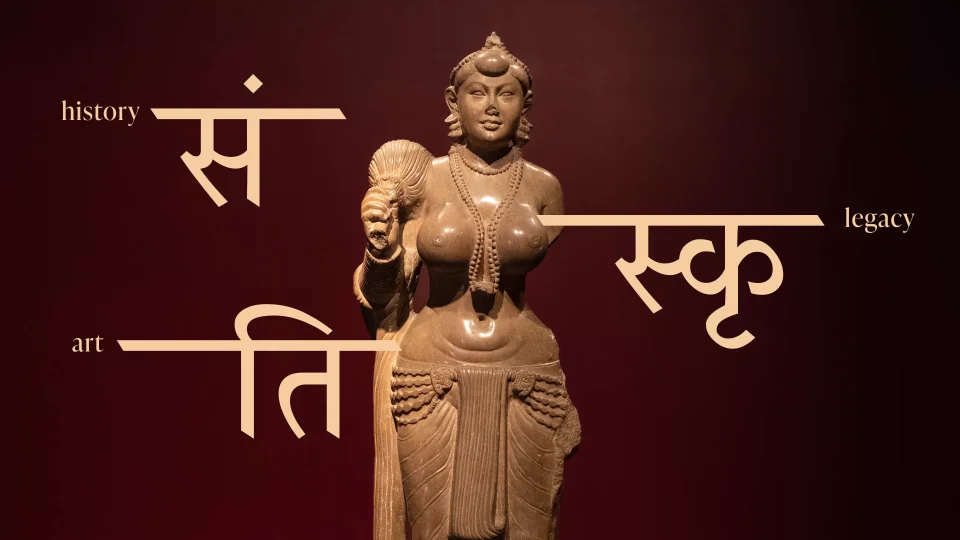
Bihar Museum Ranking: The Bihar Museum in Patna has been ranked ninth in Worth a Journey’s World’s 100 Best Museums 2026 list, making it the highest-ranked museum in Asia and the only Indian institution in the global top 100. The ranking places the decade-old state museum ahead of New York’s Metropolitan Museum of Art, which is tenth, and the Louvre in Paris, drawing on visitor reviews, data analytics and on-site expert evaluations.
Opened in 2015, the 13.9-acre museum presents Bihar’s history from the Stone Age onward through more than 30,000 artefacts, including the 2,000-year-old Didarganj Yakshi, the Kurkihar bronzes and a Kushan-period “Birth of the Buddha” slab. Designed by Pritzker Prize-winning Japanese architect Fumihiko Maki with Studio Opolis, it also operates as an active cultural venue, with current exhibitions including Cosmic Garden and a retrospective of printmaker Rakhi Kumari.
Culture Moving Beyond the Nation
The more significant story is not simply that Patna’s museum ranked ahead of Paris’ and New York’s on one list; it is that a serious global cultural institution has emerged outside India’s usual museum capitals. For decades, conversations about world-class Indian museums have centred on Delhi, Mumbai and Kolkata; the Bihar Museum’s recognition suggests that regional investment in curation, architecture and public programming can compete internationally.
Worth a Journey, edited in Munich, founded by Jakob Schwichtenberg, says its rankings are produced by an algorithm using millions of data points, then checked through in-person visits. It states that venues cannot pay to enter or improve their position. This shows that the claim is not merely a publicity exercise; it is a data-led assessment that puts a Patna museum at the centre of a global cultural conversation.
Why it Matters for Bihar
The museum’s rise slightly reframes Bihar’s cultural identity. Rather than being seen only through migration, politics, or economic hardship, the state is being presented as home to one of the world’s leading repositories of ancient Indian history and living artistic traditions. Its collection and programming connect Mauryan and Gupta-era heritage with Mithila painting, Tikuli art, contemporary exhibitions and a children’s gallery.
The recognition could also reshape tourism. The museum is open Tuesday to Sunday, with galleries operating from 10 am to 5 pm, and offers a children’s gallery, library, conservation lab, and Bihari restaurant on site, features that position it as a destination rather than a single-stop exhibition space.
A New Benchmark for Indian Museums
India has 1,176 officially documented museums, as per the Directory of Indian Museums, with unofficial estimates putting the figure above 1,500. Against that backdrop, the Bihar Museum’s ninth-place global ranking, and its position as Asia’s highest-ranked museum, make it a rare standout.
Unlike many Indian museums that focus mainly on artefact display, it functions as a full cultural ecosystem: history galleries, folk and contemporary art, a children’s gallery, conservation lab, library and restaurant. The museum’s architecture also gives it a distinct identity. Designed by Pritzker Prize laureate Fumihiko Maki with Studio Opolis, its modern campus on Bailey Road signals that a state museum can be globally ambitious in both design and curatorial ambition.
Its collection anchors that ambition in Bihar’s own past: the Didarganj Yakshi, often described as one of India’s finest Mauryan-period sculptures, the Kurkihar bronzes, and Buddhist artefacts place the museum at the centre of the story of ancient Indian civilisation. Rather than borrowing prestige from Delhi or Mumbai, it has made regional heritage its global calling card.
The ranking is less a one-off award than a possible blueprint for India’s museum sector. With 1,176 museums officially listed and many more operating informally, the challenge is not the number of museums but their upkeep, staffing, display standards and ability to attract visitors, as per the Directory of Indian Museums.