Phone Without SIM? How DoT's New Rules Could Change the Way You Use WhatsApp, Telegram
The Department of Telecommunications' reported SIM-binding mandate for WhatsApp, Telegram, Signal and other messaging platforms aims to curb cyber fraud by linking accounts to active SIM cards. However, the move could disrupt web access, secondary devices and international travel, raising questions about the balance between security and user convenience.
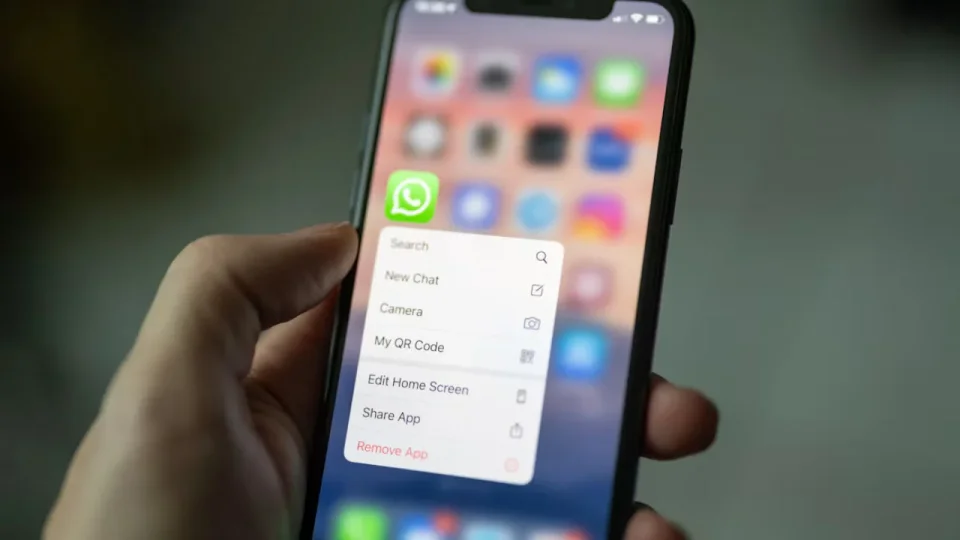
The Department of Telecommunications (DoT) will enforce mandatory SIM binding for major messaging platforms like WhatsApp, Telegram, Snapchat, Arattai, ShareChat, JioChat, and Signal reportedly from the beginning of the next year. Issued under the TCS Rules, 2024 (as amended), this directive effectively bans the operation of these apps if these platforms are running on devices without physical SIM cards. The move aims at eliminating rampant cybercrimes such as phishing, digital arrest scams, impersonation, and investment scams.
The new rule will be implemented from January 1, 2027, reported LiveMint. Several app-based communication services use an Indian Phone Number for the initial setup of a user account and allow users to consume services even in the absence of the respective Subscriber Identity Module (SIM) Card, within the device. According to the DoT, Ministry of Communications, cybercriminals, especially those operating outside the nation, are misusing this loophole. Multiple government agencies and an inter-ministerial group have raised the issue of SIM binding.
Also Read: From France to India, How Left-Wing Networks Are Shaping the New Wave of Youth Protests
What are the Key Changes?
To counter this, directions were issued on 28 November 2025, by the DoT to the mentioned platforms. The directives are:
- Ensure that the App-Based Communication Services are continuously linked to the SIM card installed in the respective device at all times, thus making it impossible to use the app in the absence of the specific, active SIM.
- Revising the earlier six-hour logout requirement, LiveMint reported that the proposal to automatically log users out of web sessions every six hours has been replaced with a risk-based logout requirement. This means users will no longer be automatically logged out every six hours.
While this aims at preventing cybercrimes, it may introduce significant friction for everyday users. By locking accounts to the physical SIM, messaging apps will no longer function on secondary Wi-Fi devices or backup phones. This framework may also disrupt international travellers, as swapping an Indian SIM for a foreign carrier will instantly trigger an app lockout. In that case, users will have to resort to using dual-SIM phones to avoid it.
Additionally, upgrading smartphones will become more tedious, as apps remain frozen until the SIM or eSIM is fully migrated to the new hardware. As per the ministry, “Last year, losses from cyber fraud accounted for more than Rs 22,800 crore," warranting a new framework to prevent similar incidents in the future.