Jal, Thal, Vayu: What Weapons and Military Systems Are in India’s Rs 2.12 Lakh Crore Push?
The Defence Acquisition Council cleared a Rs 2.12 lakh crore military upgrade for the Army, Navy, and Air Force, with 82% sourced from Indian firms.
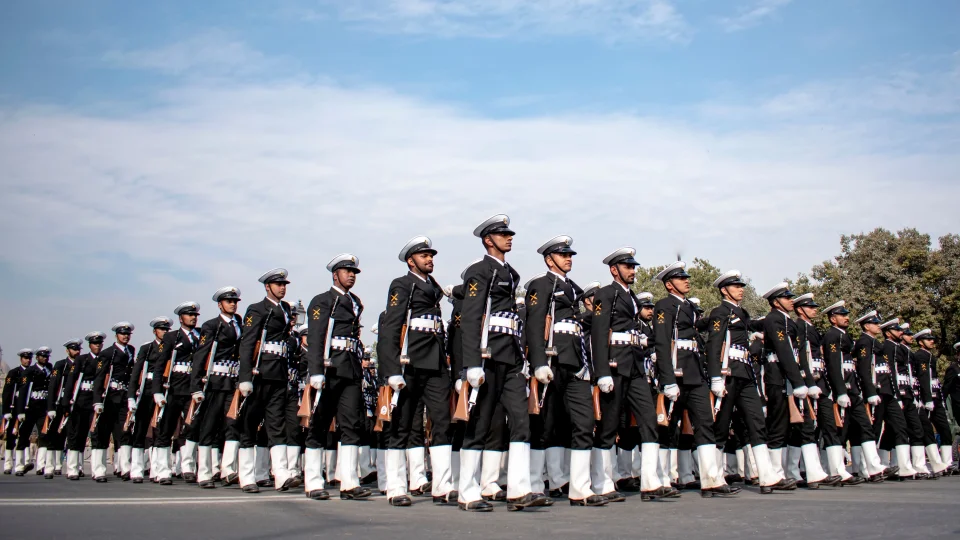
India Defence Procurement Rs 2.12 Lakh Crore: The Ministry of Defence has approved the procurement of capital equipment worth nearly Rs 2,12,000 crore, including advanced drones, to help the Indian Armed Forces strengthen border security. Union Defence Minister Rajnath Singh on Monday approved the proposals while chairing a meeting of the Defence Acquisition Council (DAC). Of the Acceptance of Necessity (AoN) approvals granted, around 82% of the equipment will be procured from Indian companies to support the ‘Aatmanirbhar Bharat’ (Self-Reliant India) mission.
The Defence Acquisition Council (DAC) meeting held today has accorded Acceptance of Necessity (AoN) to various capital acquisition proposals of the Defence Forces at an estimated cost of about Rs 2,12,000 crore. For the Indian Army, approval was accorded for the procurement of High Mobility Vehicles (HMV), Self-Propelled Tracked Gun System, Gun Shot Response System (GSRS), Light Multi Role Helicopters (LMRH), Very Short-Range Air Defence System (VSHORADS), Platform Based Counter Unmanned Aerial System (C-UAS), Unmanned Aerial System Brick Long Range, Surveillance UAV, Integrated Surveillance and Strike System and Long Range Kamikaze Drone System. Out of the total AoNs accorded, approximately 82% of the procurements will be made from the Indian Industry. The approvals given today will help in further strengthening the capability and preparedness of our defence forces. https://t.co/KmlW6xQPCq
— Rajnath Singh (@rajnathsingh) October 26, 2026
For the Indian Army, approval was accorded for the procurement of:
- High Mobility Vehicles (HMVs): Enhance logistical support, operational reach, and troop mobility across challenging terrains, including high-altitude border areas.
- Self-Propelled Tracked Gun System: Provides high firepower and mobility to support mechanised infantry and armoured formations during fast-paced operations.
- Gun Shot Response System (GSRS): Acts as a force multiplier by instantly detecting hostile gunfire and providing real-time tactical awareness to ground forces.
- Light Multi-Role Helicopters (LMRHs): Support joint Army-Air Force operations, including armed combat, tactical reconnaissance, troop search and rescue, and Humanitarian Assistance and Disaster Relief (HADR).
- Very Short-Range Air Defence System (VSHORADS): Neutralises emerging low-altitude and next-generation small aerial threats to safeguard troops and vital installations.
- Platform-Based Counter-Unmanned Aerial System (C-UAS): Protects frontline tanks and armoured combat vehicles against hostile drone attacks, significantly improving battlefield survivability.
- Unmanned Aerial System Brick Long Range: Extends deep-penetration tactical reconnaissance and long-range operational reach.
- Surveillance UAVs: Strengthen intelligence-gathering, real-time target acquisition and continuous border monitoring capabilities.
- Integrated Surveillance and Strike System: Combines aerial intelligence with precision-strike capabilities to detect, track and neutralise enemy positions.
- Long-Range Kamikaze Drone System: Enables precision strikes against high-value enemy targets deep behind hostile lines while keeping friendly forces out of harm’s way.
For the Indian Navy:
- Active Offboard Decoy System (AODS): Enhances the effectiveness of missile defence, particularly against modern anti-ship missiles used by adversaries.
- Modern Naval Platforms: The indigenously designed and constructed major naval platforms will incorporate modern warfare capabilities and enhance the Navy’s combat strength.
For the Indian Air Force:
- Helicopters, Air Defence Systems and Weapons: Approved to significantly enhance overall air defence and warfighting capabilities.
- Special Utility Helicopters: To meet critical air transport requirements more efficiently.
- Mobile X-Band Doppler Weather Radar System: To provide high-resolution, localised weather surveillance in forward areas.
What Happens Next?
With the Acceptance of Necessity (AoN) granted, the procurement process can move towards subsequent stages, including the preparation of acquisition proposals, tendering and bidding, as applicable. The procurement process will follow the government's prescribed defence acquisition procedures, with eligible vendors participating in the relevant tenders to support the push for domestic defence manufacturing.