Aurangzeb’s Tomb Removal: Nitesh Rane Says Decision Taken, Fadnavis Knows the Date
Nitesh Rane claims a date is set to remove Aurangzeb’s tomb in Maharashtra, Devendra Fadnavis reportedly knows the date, sparking major political debate.
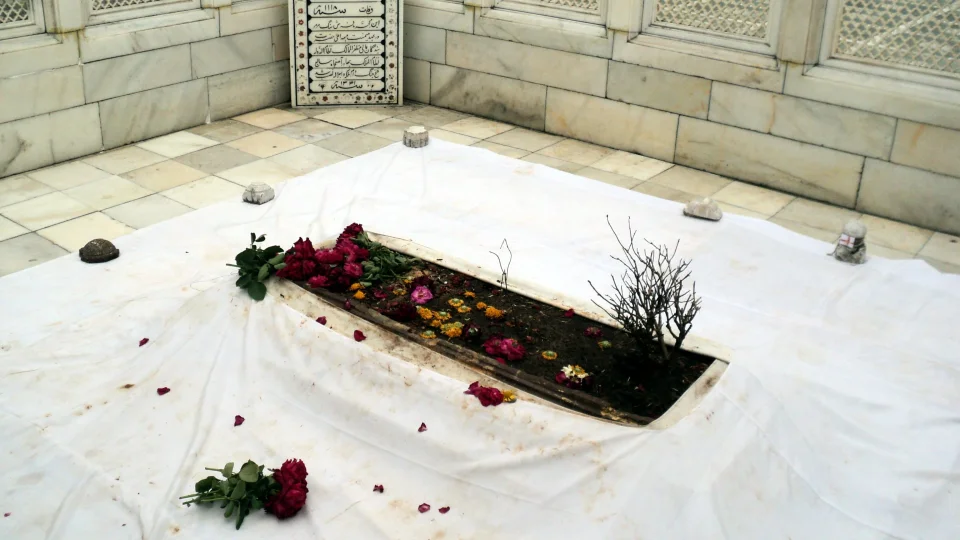
Maharashtra Minister Nitesh Rane has reportedly renewed his demand for the removal of Mughal emperor Aurangzeb’s tomb in Khuldabad, claiming that a date for its removal has already been decided but will not be disclosed.
The remarks were made on Thursday at an event in Chhatrapati Sambhajinagar, where Rane was speaking about clearing encroachments from historic forts. Rane described Aurangzeb’s tomb as “garbage” and said that those who valued it could “take it to their Pakistan,” reported The Indian Express.
“People will ask me when it will happen. I will not reveal the date. Fadnavis knows when to break this news,” he said, referring to Maharashtra Chief Minister Devendra Fadnavis, the media report further added. Rane said the tomb should not be linked to Maharashtra’s identity or used to “defame” the state.
This was not Rane’s first such statement: in March 2025, amid demands from BJP leaders and Hindutva organisations, he had said the government had already planned the tomb’s removal and that journalists would learn of it only after the demolition.
Tomb’s Protected Status: Previous Events Surrounding the Tomb Demolition Threat
The tomb is located at Khuldabad in Chhatrapati Sambhajinagar district and is a protected monument under the Archaeological Survey of India (ASI). In a written reply to the Rajya Sabha in April 2025, Union Culture Minister Gajendra Singh Shekhawat confirmed its protected status and said the ASI was taking “proactive measures” with the district administration to prevent damage. Those measures included a 12-foot-high metal sheet around the tomb, concertina wire on surrounding walls, private security personnel, and regular inspections by ASI officials.
Fadnavis had earlier said in March 2025 that while he agreed with demands for the tomb’s removal, any action would have to be taken within the framework of the law because the site is centrally protected.
Historical Context
Aurangzeb, the sixth Mughal emperor, died on March 3, 1707, in Ahmednagar at the age of 88. He was buried in an open grave near the shrine of Sufi saint Shaikh Zainuddin Shirazi at Rauza, now Khuldabad, as his stated wish for a modest burial.
The demand for removal is politically charged in Maharashtra because of Aurangzeb’s long conflict with the Marathas and his role in the execution of Chhatrapati Sambhaji Maharaj in 1689. The Indian Express reported that the tomb nonetheless survived as Maratha power expanded, and that Chhatrapati Shahu I visited it after his release from Mughal captivity in 1707.