What India Should Extract From Xi's Delhi Visit
Xi Jinping's September 12 BRICS Summit visit to India will produce ceremonial optics, but India's real test lies elsewhere: a time-bound LAC de-escalation framework (not just disengagement), sector-specific trade access on pharma/IT/agriculture, a response framework for Chinese grey-zone tactics, and concrete BRICS deliverables—not another vague declaration, while avoiding any perception of pivoting from Quad alignment. By Mahima Katal New Delhi, Aug 16: When Chinese President Xi Jinping...
Xi Jinping's September 12 BRICS Summit visit to India will produce ceremonial optics, but India's real test lies elsewhere: a time-bound LAC de-escalation framework (not just disengagement), sector-specific trade access on pharma/IT/agriculture, a response framework for Chinese grey-zone tactics, and concrete BRICS deliverables—not another vague declaration, while avoiding any perception of pivoting from Quad alignment.
By Mahima Katal
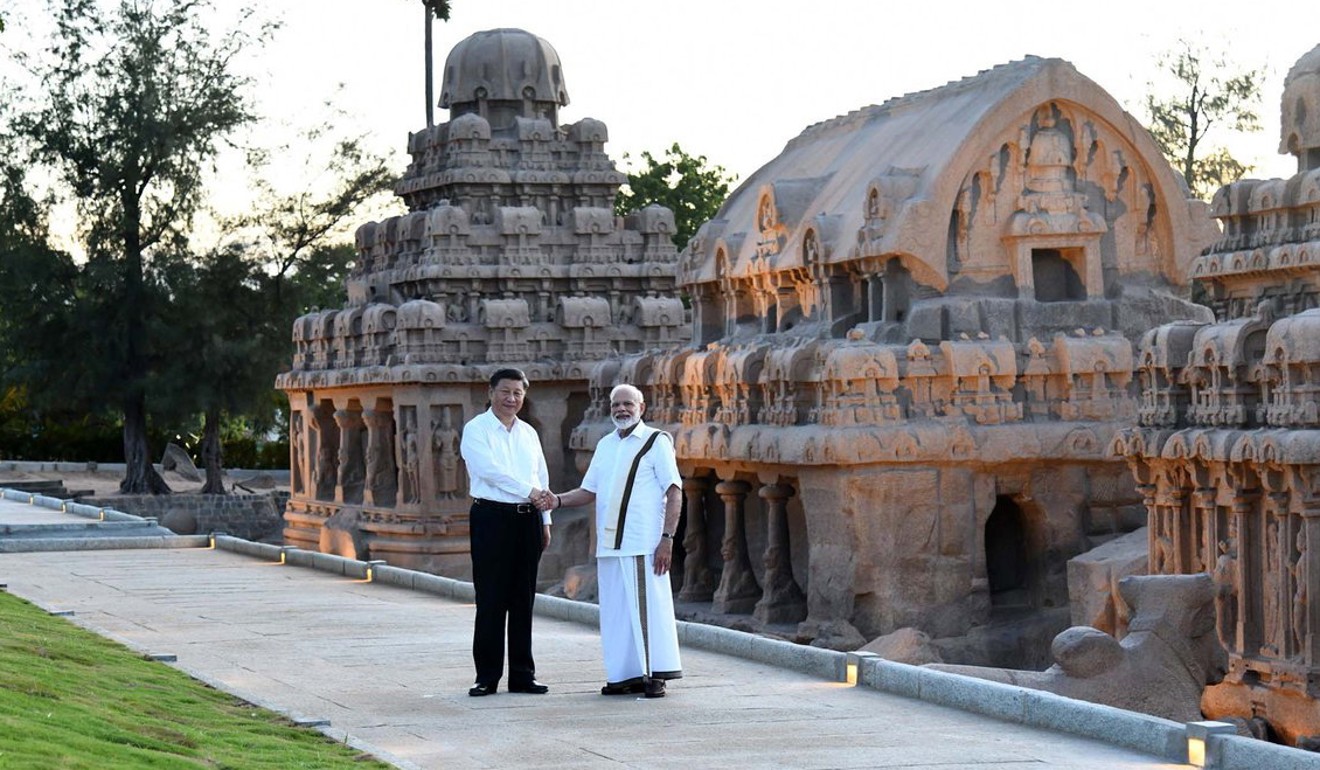
New Delhi, Aug 16: When Chinese President Xi Jinping lands in New Delhi on September 12 for the BRICS Summit, the images will write themselves: a ceremonial welcome, a handshake with Prime Minister Narendra Modi, talk of a "new chapter" in India-China ties. It will be Xi's first visit to India since the 2019 Mamallapuram summit, and his first since the Galwan Valley clash of 2020 froze relations at their lowest point in decades.
But optics are cheap. The real question is what India actually walks away with once the cameras are packed up.
The Border: Disengagement Is Not De-escalation
Much has been made of the "progress" on the Line of Actual Control. Troops have pulled back from friction points in Depsang, Demchok, Galwan, Pangong Tso and Gogra-Hot Springs, and patrolling has formally resumed. On paper, that sounds like resolution.
It isn't. Disengagement only addresses the point-blank standoffs; it does nothing about the tens of thousands of troops and heavy weaponry both sides have massed along the wider frontier since 2020. India's own Army leadership has been clear that force levels will not be reduced anytime soon. The two nations have now held over three dozen rounds of working-level border talks without agreeing on the much harder question — de-escalation.
This is where India needs to extract something concrete. A photo-op reaffirming "peace and tranquillity" is not a deliverable. A time-bound framework for troop reduction is. Without it, the border remains a live fuse dressed up as a settled matter.
Trade: Stop Talking About the Deficit, Start Fixing It
India's trade deficit with China has ballooned for years, and no summit statement has ever reversed that trend. What India should push for instead is specific and structural: real market access for Indian pharmaceuticals, IT services and agricultural exports into China, alongside a serious conversation about Chinese dumping, solar panels, steel, electronics, that undercuts India's own manufacturing push under initiatives like the PLI scheme.
Complaining about the imbalance changes nothing. Naming the sectors and setting terms might.
Grey-Zone Tactics: The Threat That Doesn't Make Headlines
Beyond troop stand-offs, China has increasingly leaned on subtler methods to assert territorial claims, renaming places in Arunachal Pradesh, cartographic aggression, and other moves that erode Indian positions incrementally, without ever crossing the threshold of open conflict. These tactics rarely make for dramatic news coverage, which is exactly why they work. India needs a clear, standing response framework for this kind of pressure — not just reactive statements each time a new provocation surfaces.
Don't Let This Be Read as a Pivot
There's a domestic and diplomatic trap here too. Engaging Xi warmly risks being read, at home and among partners, as India softening its Quad alignment with the US, Japan and Australia. India will need to manage that optics problem carefully, signalling that this is calibrated engagement, not a strategic pivot away from its other partnerships.
The BRICS Chair: Make the Rhetoric Count
Separately from the bilateral track, India is chairing BRICS for the fourth time, under the theme "Building for Resilience, Innovation, Cooperation and Sustainability." That gives Delhi genuine leverage to shape outcomes, if it uses it.
The temptation will be to let the summit end in another aspirational declaration. India should resist that and push for measurable commitments: specific proposals on IMF quota reform rather than the same general demand repeated since 2012, concrete lending commitments from the New Development Bank, and a shared AI governance framework with actual teeth.
On de-dollarization, India would do well to stay cautious. The more defensible framing, and the one that avoids friction with Washington, is technical: payment infrastructure diversification, not a currency revolution. Overplaying that hand costs India more than it gains.
The Bottom Line
Xi's visit will generate warm statements, a joint press appearance, and probably a handful of new working groups. None of that is the measure of success. The real test is narrower and harder: did India get a specific timeline on troop de-escalation, sector-specific movement on trade access, and BRICS deliverables it can point to a year from now?
Everything else is optics. And India has seen enough of those since 2014 to know how quickly they fade once the delegations go home.