Karnataka High Court Strikes Down Enhanced SC, ST Quota Over 50% Ceiling
The Karnataka High Court struck down enhanced SC and ST reservations, ruling that the state’s 56 per cent quota breached the constitutional ceiling.
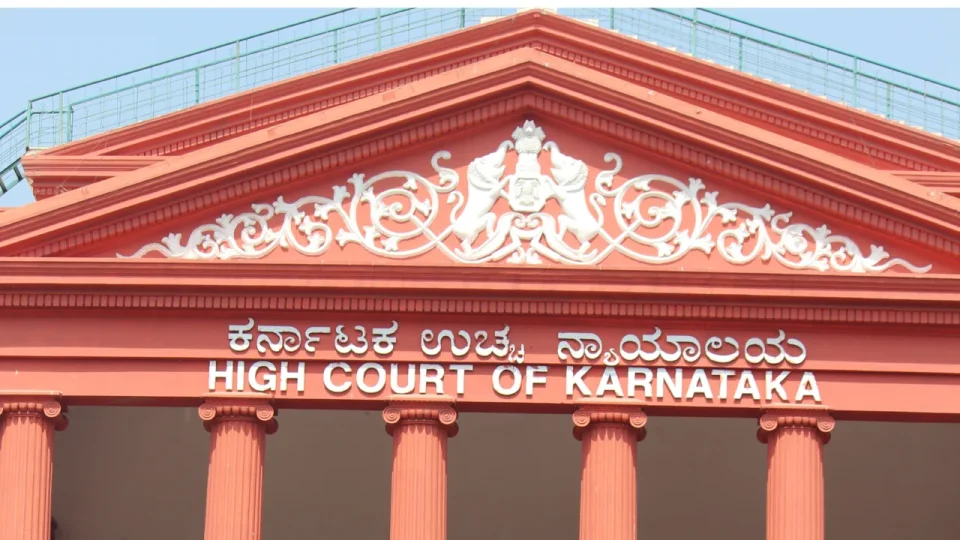
The Karnataka High Court on Monday struck down provisions of a 2022 state law that increased reservation for Scheduled Castes (SCs) from 15 per cent to 17 per cent and for Scheduled Tribes (STs) from 3 per cent to 7 per cent, ruling that the enhanced quota violated the 50 per cent reservation ceiling.
A bench comprising Chief Justice Vibhu Bakhru and Justice K S Hemalekha held that Section 3 of the Karnataka Scheduled Castes and Scheduled Tribes (Reservation of Seats in Educational Institutions and of Appointments or Posts in the Services under the State) Act, 2022, violated Articles 14 and 15 of the Constitution by taking the total reservation beyond 50 per cent.
"Section 3 of the Act, insofar as it takes the aggregate reservation beyond the ceiling of 50 percent, is struck down as it violates Articles 14 and 15 of the Constitution," the court said.
The bench also struck down Section 4 of the Act, which provided for enhanced reservation for SCs and STs in state government jobs. It held that the provision was unconstitutional as it violated Articles 14 and 16 of the Constitution, which guarantee equality before the law and equality of opportunity in public employment, respectively.
The 50 per cent reservation ceiling was established by the Supreme Court in its 1992 judgment in Indra Sawhney vs Union of India. The ceiling has subsequently been upheld in several court judgments.
Two Petitions Challenged Karnataka's Reservation Law
The High Court's ruling came in response to two petitions challenging the constitutional validity of the 2022 legislation. The law had increased the overall reservation for SCs, STs and Other Backward Classes (OBCs) in Karnataka from 50 per cent to 56 per cent.
One of the petitions was filed by Mahendra Kumar Mitra, the state president of the Dr Ambedkar Scheduled Castes Federation. The other was filed by Sagar H R, Prajwal Kumar D and Purushotham Gowda G M, all civil engineering graduates who had applied for the post of Assistant Engineer (Civil) in the Bruhat Bengaluru Mahanagara Palike (BBMP).
The legislation was enacted during the BJP government led by then Chief Minister Basavaraj Bommai. It received the governor's assent on January 11, 2023, and was published in the Karnataka Gazette the following day.
The law followed recommendations and reports examining the representation of SCs and STs in the state. These included findings associated with the Justice (Retd) Nagamohan Das Commission and a committee headed by former High Court judge Justice Subhash B Adi.
Parameshwara Calls Verdict a Setback for Social Justice
Reacting to the verdict, Karnataka Deputy Chief Minister G Parameshwara described the decision as a serious development with far-reaching consequences for social justice, access to education and public employment in the state.
"We respect the judiciary and the constitutional framework within which it operates. At the same time, this judgment raises fundamental questions about the political responsibility of the previous BJP government and the continued inaction of the BJP-led Union government," he said.
Karnataka Seeks Review of 50% Reservation Ceiling
Parameshwara urged Prime Minister Narendra Modi and the Union government to initiate a comprehensive review of the 50 per cent reservation ceiling and take appropriate constitutional and legislative steps to address the issue.
He also called on the Centre to consider Karnataka's request to include the reservation legislation in the Ninth Schedule of the Constitution without further delay. Laws placed in the Ninth Schedule receive a degree of protection from judicial review, although that protection is not absolute.
"Our demand is not for reservation as a symbolic announcement. Our demand is for reservation that is legally sustainable, socially meaningful and effectively implemented," Parameshwara said.
The Deputy Chief Minister added that the Karnataka government would examine all available legal options, including filing an appeal before the Supreme Court against the High Court's ruling.
He also said the state would seek to protect ongoing recruitment processes and educational opportunities in accordance with the law.
(With PTI Inputs)