WFP Cuts Food Assistance in Gaza by One-Third as Funding Shortages Deepen
WFP Cuts Food Assistance in Gaza by One-Third as Funding Shortages Deepen
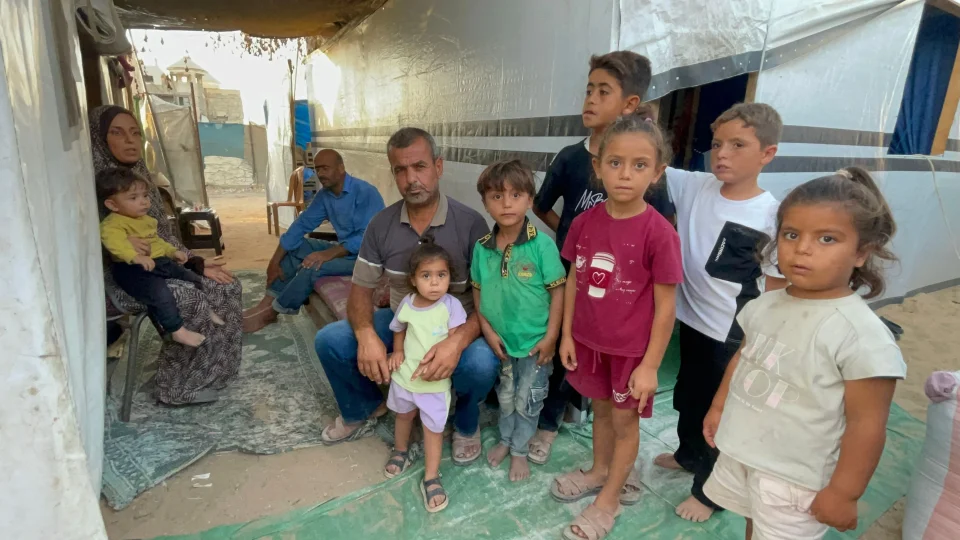
The United Nations World Food Programme (WFP) has reduced its food assistance in Gaza by nearly one-third due to a shortage of funds, leaving around 500,000 people without access to essential humanitarian support. The cuts come as winter approaches, raising concerns about worsening living conditions for vulnerable families despite some recent improvements in food security.
For the past three years, WFP assistance has been a crucial source of food for millions of Palestinians, reaching up to 90% of families in Gaza. Since the ceasefire was announced in October 2025, the agency has been providing monthly assistance to approximately 1.6 million people through food parcels, wheat flour, bread, cooked meals, nutritional support, school snacks and cash transfers.
However, declining financial resources have made it increasingly difficult for the agency to maintain its existing level of operations.
WFP Scales Back Food Assistance in Gaza
From October 2026, WFP has reduced the number of people receiving food and cash assistance in Gaza from 1.6 million to 1.1 million, prioritising those facing the most severe hardships.
The agency has also reduced food rations by 50%. Families that previously received two food parcels will now receive only one, along with a smaller quantity of wheat flour.
The daily distribution of cooked meals has also been scaled back. WFP is now providing 150,000 hot meals a day, down from the earlier 250,000. In areas that are difficult to access, including locations near the Israeli military's Yellow Line, families will receive hot meals on alternate days instead of every day.
Financial assistance has also been reduced for 75,000 families, further limiting their ability to purchase essential supplies.
Despite these cuts, WFP continues to support bakeries that meet approximately one-third of Gaza's bread requirements. The agency is also maintaining nutritional assistance for 300,000 women and children and distributing nutritious snacks to 200,000 schoolchildren.
The funding crisis has also affected humanitarian operations in the West Bank. In September, WFP reduced the number of people receiving assistance there from 400,000 to 200,000, cutting coverage by half.
Millions in Gaza Continue to Face Food Insecurity
Despite some improvement in food availability, the humanitarian situation in Gaza remains critical, with a large section of the population struggling to access adequate food. According to the latest estimates, approximately 1.4 million people, accounting for 67% of Gaza's population, are experiencing acute food insecurity at Crisis level or worse. These conditions fall under Phase 3 or higher of the Integrated Food Security Phase Classification (IPC), the global framework used to assess food insecurity.
The figure represents a decline from 1.6 million people, or 77% of the population, at the end of 2025. However, humanitarian agencies warn that the improvement remains limited and could be reversed if assistance is reduced further.
Around 200,000 people continue to face Emergency-level food insecurity, classified as IPC Phase 4. At this stage, immediate food assistance is essential to prevent further deterioration and deaths linked to hunger. Children remain particularly vulnerable. Only one in five children in Gaza receives a sufficiently diverse diet, while access to healthcare, clean water, sanitation and hygiene services remains restricted.
Economic conditions have added to the crisis. More than 80% of Gaza's population is unemployed, leaving many households unable to afford fresh produce and protein-rich foods, even when these are available in local markets.
Falling Humanitarian Funding Raises Winter Concerns
Improved access for humanitarian agencies and the delivery of relief supplies since October 2025 have contributed to a reduction in food insecurity. However, these gains remain precarious as funding shortages threaten the continuity of essential services. The latest IPC assessment cautions that further reductions in humanitarian assistance could significantly increase the number of people requiring food support.
The approaching winter is adding urgency to the situation. Humanitarian agencies need additional resources to maintain emergency food distribution, provide essential engineering support and prevent malnutrition among young children and pregnant and breastfeeding women.
Without adequate funding, vulnerable households could face greater difficulties securing food and meeting their basic needs during the colder months.
WFP Seeks $450 Million to Maintain Operations
WFP has received less than half the funding for its Palestine operations in 2026 compared with previous years, creating significant challenges for its humanitarian response in Gaza and the West Bank.
The agency estimates that it needs $450 million to sustain its critical operations over the next six months, from October 2026 to March 2027.
The funding is required to continue delivering emergency food assistance and supporting vulnerable communities across the Palestinian territories.
With hundreds of thousands of people already affected by reduced assistance, the availability of additional humanitarian funding will be crucial to maintaining food supplies and preventing further deterioration in food security. As winter approaches, the growing gap between humanitarian needs and available resources threatens to undermine the progress made in recent months, leaving millions of people dependent on increasingly limited support.